


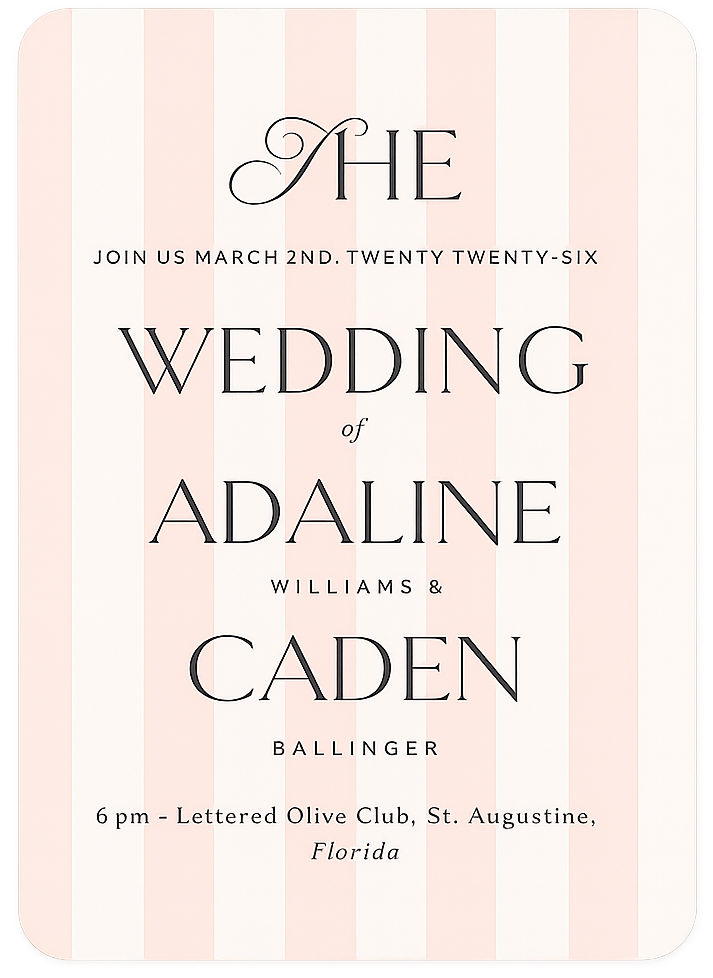




If you’re wondering when to send wedding invitations, you’re not alone. Most couples mail their invitations 6–8 weeks before the wedding, but the timeline can shift depending on whether it’s a destination wedding, holiday wedding, or weekday ceremony. Getting this timing right ensures guests have enough time to RSVP, make travel plans, and celebrate your big day. Here’s a complete guide for every situation.
Jump to:
- When to Send Save the Dates
- When to Send Wedding Invitations
- When to Request RSVPs
- Additional Tips on Wedding Invitation Timing
When to Send Save the Dates
You should send save the dates 6–12 months before your wedding. This gives guests plenty of notice, especially if your wedding is a destination event or falls during a busy holiday season.
Why Save the Dates Matter:
- Out-of-town guests can plan travel in advance.
- They allow guests to block off the date on their calendars.
- Save the dates help people prepare for busy seasons or long-distance travel.

When to Send Wedding Invitations
For most weddings, send your invitations 6–8 weeks before the big day. This gives guests enough time to RSVP, arrange travel, and finalize schedules without feeling rushed.
Why This Window Works:
- Guests can check their schedules and make travel or accommodation plans.
- You’ll receive timely RSVPs to finalize seating and catering.
- It prevents last-minute confusion for both you and your guests.
When to Send Wedding Invitations if You Didn’t Send Save the Dates
If you skipped save the dates, send your wedding invitations 10–12 weeks before your wedding. The extra time allows guests to make plans without prior notice.
Why More Time Helps:
- Guests have time to book travel and accommodations.
- Ensures higher attendance despite the shorter heads-up.

When to Send Wedding Invitations for Destination Weddings
For destination weddings, mail invitations 3–4 months in advance. Guests need extra time to book flights, hotels, and arrange work or family schedules.
Ideal Timeline for Destination Weddings:
- Save the dates: 8–12 months before the wedding
- Wedding invitations: 3–4 months before the wedding
- RSVP deadline: 6–8 weeks before the wedding
Why Destination Weddings Require More Lead Time:
- Guests may need passports, visas, or other travel arrangements.
- Early invitations allow for budgeting and planning around the trip.

When to Send Wedding Invitations for Holiday Weddings
For weddings during the holidays, send invitations at least 12 weeks in advance. This helps guests navigate the busy season and plan around family or work commitments.
Why Holiday Weddings Require Extra Notice:
- Peak travel and holiday schedules can conflict with your wedding date.
- Guests may need additional time to make travel or lodging arrangements.
When to Send Wedding Invitations for a Weekday Wedding
If you’re planning a weekday wedding, send your invitations 8–10 weeks before the event. Guests may need extra time to request time off work or make childcare arrangements.
Why Weekday Weddings Need More Planning:
- People often have work or personal scheduling conflicts.
- Extra notice ensures higher attendance and less stress.
When Should Wedding RSVPs Be Due?
RSVPs should be requested 3–4 weeks before your wedding. This timeline allows you to confirm headcounts and finalize details with your venue and vendors.
Why 3–4 Weeks Works:
- Gives you time to finalize seating charts and meals.
- Ensures vendors have accurate guest counts.
Following Up on Missing RSVPs:
- A polite call, text, or email can help you track down late responses.
Additional Tips for Wedding Invitation Timing
- Double-check addresses: Verify all addresses before mailing invitations to avoid delays.
- Consider non-traditional weddings: Smaller or intimate weddings may allow sending invitations 4–6 weeks in advance.
- Use online tools: Platforms like Shutterfly’s address book make tracking RSVPs and addresses easier.
Related Resources on When to Send Out Wedding Invitations
Knowing how far in advance you need to send wedding invitations is a key part of your wedding planning process. By adhering to these timelines, you can help ensure your guests have all the information they need to join in your special day. With proper planning and communication, you’ll be well on your way to a successful and stress-free wedding celebration.
For more tips and ideas on wedding planning, visit these additional resources:
